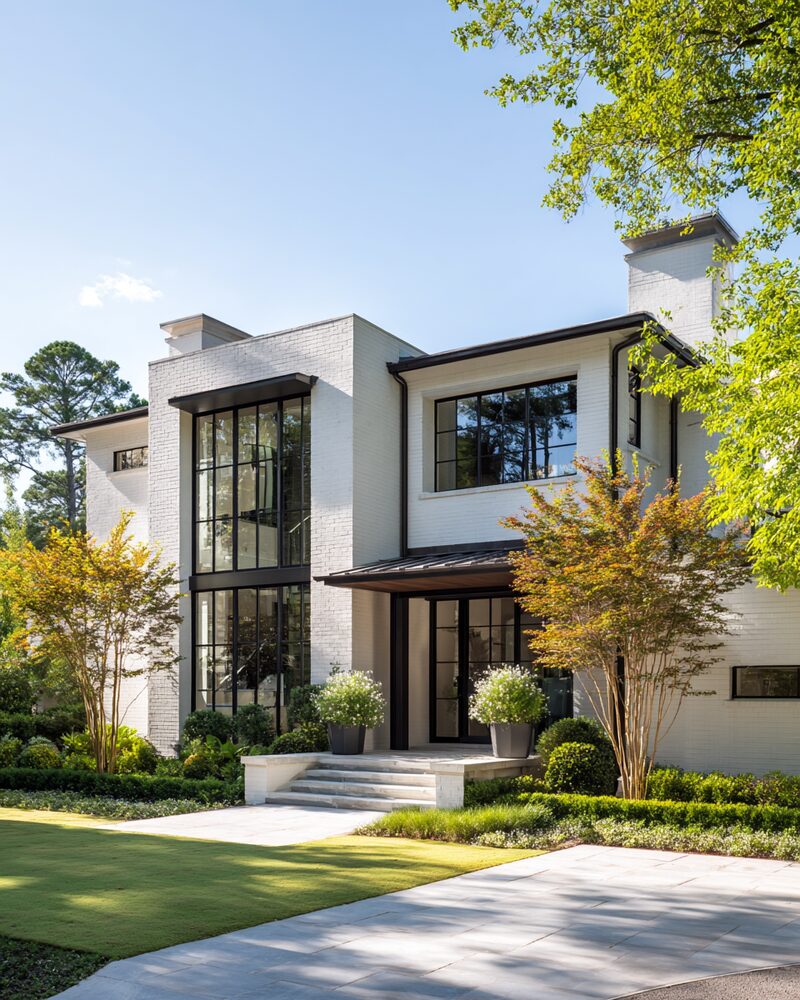
Atlanta's housing market moves fast, but the reasons a home gains value are often steady and local. Whether you are buying or selling in Atlanta GA today, understanding how neighborhood projects, school boundaries and street-level factors combine to affect resale value will help you make smarter decisions that pay off over time. This guide breaks those influences into practical steps you can use now and reference later when the market shifts.
Know which local projects matter most
Not every new development will change property values the same way. Large infrastructure projects like transit expansions, new parks, or major employer relocations tend to create durable demand. Smaller projects such as a new grocery store, streetscape improvements or a community arts center can lift nearby home appeal and shorten days on market. When researching a neighborhood, look at municipal planning maps, recent zoning approvals and neighborhood association updates to spot projects that will influence buyer interest in the next 1 to 10 years.
Use school zones strategically
School assignments remain a primary factor for many Atlanta buyers. Even if buyers do not have children, homes in desirable school zones often retain value better during downturns. Check both current boundaries and any proposed redistricting. For sellers, highlighting proximity to well-rated schools in your listing copy and marketing can increase qualified buyer traffic. For buyers, confirm enrollment criteria and potential boundary changes before committing to a purchase.
Evaluate streets not just square footage
Two houses with similar layouts can behave very differently on the market because of their street position. Buyers prefer streets with low cut-through traffic, good sidewalks, mature trees and clear street lighting. Homes on quieter, tree-lined blocks with easy walkability to restaurants, transit or parks often earn a premium. When you're touring properties, walk the block at different times of day to sense noise, parking demand and neighborhood activity—these are things photos never tell you.
Match renovations to Atlanta buyer expectations
Not every improvement yields equal return. In Atlanta, functional upgrades that address systems and livability — updated HVAC, modern kitchens, energy efficient windows, and smart home wiring — typically outpace purely cosmetic renovations in ROI. For sellers, prioritize improvements that reduce friction in the inspection and appraisal processes. For buyers, budget for likely immediate updates so you can compare offers accurately against listing price.
Monitor local supply signals
Inventory shifts at the neighborhood level are more important than citywide headlines. A sudden influx of new-condo listings in Midtown or a cluster of school-lot conversions in an intown neighborhood can signal short-term pressure on prices. Work with an agent who provides micro-market reports showing weeks of inventory and price movement by neighborhood rather than just Atlanta-wide metrics.
Understand financing and tax nuances
Interest rate changes, local property tax reassessments and available incentive programs all influence buyer demand. Buyers should prequalify and understand mortgage options tied to specific property types such as townhomes or historic homes. Sellers should know how recent tax assessments or proposed municipal fee changes will appear in buyer disclosures and negotiations. These financial facts often determine how quickly offers close and how strong offers will be.
Plan for resale when choosing a neighborhood
Whether you plan to stay long term or resale in a few years, consider who your likely buyer will be. In Atlanta, neighborhoods near transit and employment centers attract professionals; family-oriented neighborhoods prioritize yards and school access; up-and-coming areas appeal to investors and renovators. Selecting a home that fits the dominant buyer profile for its area reduces future marketing time and can increase net proceeds when you sell.
Simple checklist to use on every property tour
1. What development or infrastructure projects are planned within a mile?
2. Which school zone serves the property and are boundaries stable?
3. What is the street character at peak and off-peak times?
4. Which repairs or system updates will the inspection likely reveal?
5. How many comparable homes are currently active, pending and sold?
Answering these five questions will help you compare opportunities objectively across Atlanta neighborhoods.
If you want local market insight tailored to the exact street you are considering, reach out to The Rains Team at 404-620-4571. We provide neighborhood-specific reports and can connect you to data on zoning, school boundaries and recent sales in Atlanta GA. You can also start with our website
www.homesforsaleatlanta.com to search listings and read neighborhood guides that align with your goals.
