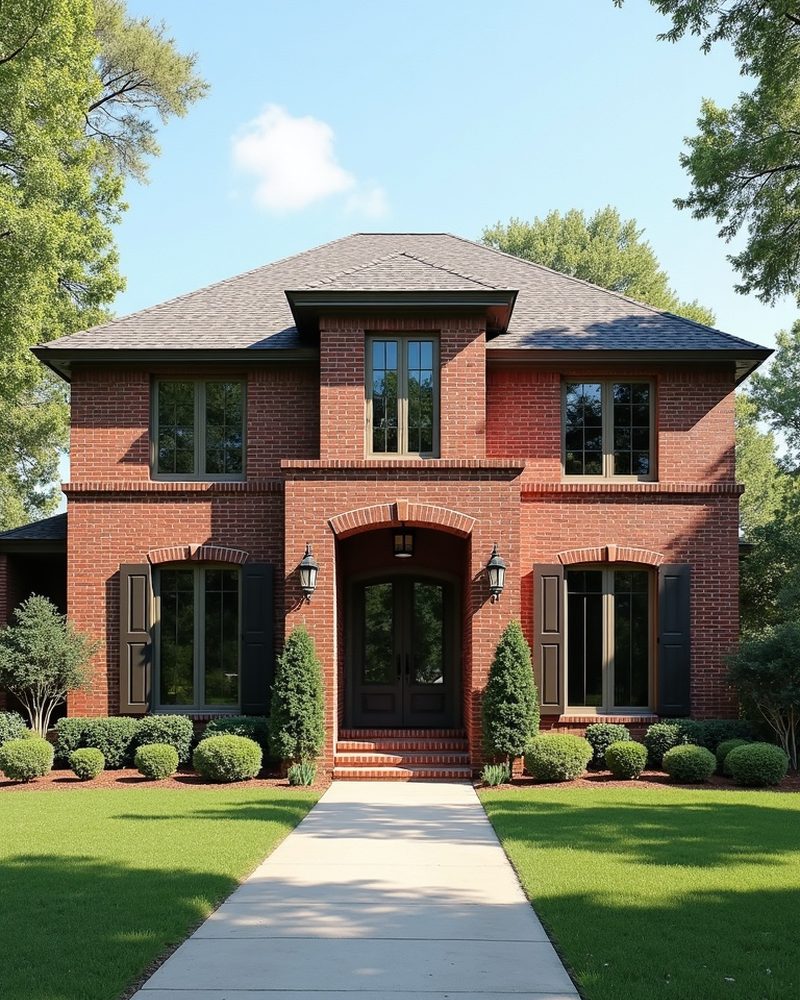
The Atlanta real estate market moves fast, but the smartest decisions are rooted in long term thinking. Whether you are buying your first Atlanta home, selling to upgrade, or investing for rental income, focusing on fundamentals that hold up through rate swings and neighborhood change will win over short term trends. This guide gives practical, evergreen steps buyers and sellers can use now and years from now to protect value and get results in Atlanta.
Start with location factors that matter beyond any single market cycle. Proximity to major job centers such as Midtown and Buckhead, access to transit and major highways, nearby quality schools, and streets with mature tree canopy are all elements that tend to sustain appeal. The BeltLine and its adjacent neighborhoods have reshaped demand, but smaller micro-locations inside each neighborhood — street orientation, walkability to coffee shops and parks, and whether a property sits in a flood plain — are often the real determinants of lasting value.
Prioritize durability over style upgrades. Cosmetic changes can attract a buyer today, but structural soundness and efficient systems protect value over time. Buyers should pay for inspections and look closely at roof age, foundation condition, HVAC systems, and drainage. Sellers who invest in targeted repairs and clear documentation of maintenance often net a higher sale price and speed up closing.
Match renovation choices to Atlanta buyer expectations. Kitchens and baths continue to show strong return on investment, but choices should consider neighborhood norms. In intown areas where modern, compact living is common, open plans and quality finishes sell. In family-oriented suburbs, adding usable bedrooms or improving outdoor living and play spaces can be more valuable. Energy efficiency upgrades, insulation, and smart thermostats also appeal to cost-conscious buyers and renters.
Understand the micro-market for the particular block you are buying or selling. Two houses a mile apart in Atlanta can perform very differently over time. Look at comparable sales from the last 6 to 24 months on your street and adjacent streets, and examine days on market and list-to-sale price ratios. For sellers, pricing to the realistic competition on your block will generate stronger buyer interest and reduce the risk of price reductions that erode buyer confidence.
Plan for changes in commute and remote work patterns. Even small differences in commute times and transit access influence buyer pools and rental demand. Buyers who value shorter commutes should quantify typical travel times during peak hours and consider the long term plans for transit and road projects in the area. Sellers can highlight flexible spaces that work well for home offices and hybrid work arrangements.
Factor in municipal trends and zoning. Atlanta's new development corridors and updates to zoning rules can alter demand in specific neighborhoods. Pay attention to official plans for rezoning, new schools, or major commercial development that can change what buyers want. Properties in areas with planned improvements tend to outperform, but so do homes that sit in stable, well-established residential zones with limited new density.
Protect value from climate and environmental risks. Flooding and stormwater management are real concerns in certain Atlanta neighborhoods. Check FEMA maps and local drainage history, ask sellers about past flooding, and consider elevation and lot grade when buying. Mature trees add curb appeal and cooling benefits, but inspect large trees for health and root risks prior to purchase.
Make offers and listing decisions with data and flexibility. In active Atlanta submarkets a clean, well-timed offer often beats a marginally higher one with risky contingencies. Conversely, sellers should be prepared to negotiate on timing and minor repairs if doing so shortens time on market and reduces buyer walkaways. Pre-list inspections, pre-approval letters, and transparent disclosures build trust and reduce friction in the process.
Leverage staging and high quality marketing that speaks to Atlanta buyers. Professional photos, virtual tours, and clear neighborhood positioning help properties get attention from qualified buyers who search online first. For buyers, understanding how homes are presented online helps identify listings that match real on-the-ground value versus staged perception.
Keep an eye on timing and seasonal patterns without letting them dictate every move. Atlanta sees active buying and selling in spring and late summer, but good properties sell year round when priced and presented correctly. If you can be patient, use slower market periods to negotiate better terms; if you need to move quickly, focus your efforts on presentation, accurate pricing, and working with an agent who knows the local buyer pool
