The Atlanta real estate market moves fast, but the smartest decisions are those that last. Whether you plan to buy, sell, or invest in Atlanta, this guide gives practical, long lasting steps you can use today and reference for years to come to protect value and capture opportunity.
Why Atlanta is different and what that means for you
Atlanta is a collection of micro markets. Intown neighborhoods near the BeltLine, Midtown and Buckhead behave differently than suburban corridors in Roswell, Alpharetta, Sandy Springs and Smyrna. Development, school zones, transit projects, employment centers and walkability all affect price per square foot and resale velocity. That means one-size-fits-all advice rarely applies; local data and simple preparation do.
For buyers: build a future proof plan
Start with finances. Get preapproved, not just prequalified, so sellers know you are serious. Identify 3 to 5 neighborhoods with the lifestyle and resale upside you want, then compare recent closed sales, price per square foot and days on market for similarly sized homes. Consider commute times, school assignments and planned development near your target area. When making offers, lead with a clean, well-documented package: preapproval, proof of funds, and a clear timeline. Be ready to include inspection and appraisal contingencies when they make sense, but be strategic about waiving terms only after advice from a local agent who understands Atlanta micro markets.
For sellers: maximize value without over-investing
Price is the single most important decision you make. Use recent comparable sales in your immediate neighborhood, adjust for condition and upgrades, and set a realistic entry point. Small investments often deliver the best returns in Atlanta: fresh exterior paint, new lighting, modern hardware, landscaping for curb appeal, and neutral paint inside. Professional photos, thorough property descriptions and targeted syndication to local search terms drive more qualified showings. If you want to appeal to Atlanta buyers who value walkability and transit access, highlight proximity to the BeltLine, MARTA stations and neighborhood amenities in your listing copy.
Timing and market signals that matter
Don't focus only on national headlines. Watch inventory levels, days on market, and absorption rates in the neighborhoods where you actually buy or sell. A low-inventory snapshot in one intown pocket can coexist with plenty of supply in nearby suburbs. Rising rents and job growth often signal long term demand; new commercial and residential developments can be early indicators of appreciation potential. Track a small set of metrics monthly so you see real change rather than noise.
Inspection, negotiation and protecting value
For buyers, thorough inspections uncover deferred maintenance that can become a negotiation point or a budgeting item. For sellers, fixing obvious issues before listing builds buyer confidence and reduces fall-through risk. In Atlanta, HVAC, roof condition, drainage and foundation concerns are frequent subjects of inspection reports — address them early and document any repairs with invoices you can share with buyers.
Home improvements that pay in Atlanta
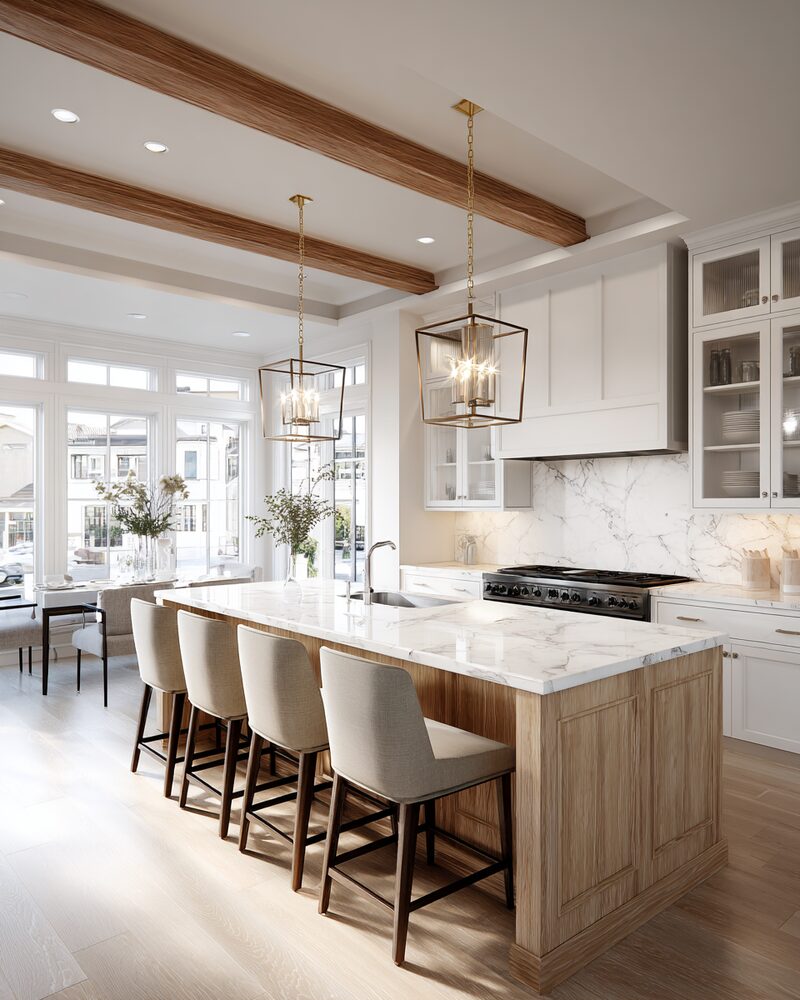
Not every upgrade increases net proceeds. Focus on high ROI items: curb landscaping, front door and garage door refreshes, modern light fixtures, kitchen hardware and refinishing or replacing dated flooring. Kitchens and bathrooms still resonate with buyers, so cosmetic improvements and modest modernizations often move the value needle more than costly structural changes unless you are targeting a specific higher-end buyer.
How to evaluate an agent and listing strategy
Choose an agent who can show a proven track record in your neighborhood, not just citywide stats. Ask for recent comparable sales they listed and sold, a marketing plan that targets local search terms and buyer demographics, and examples of negotiation outcomes. Good agents use pricing chemistry, professional photography, targeted online exposure and follow up with active buyer agents to get homes sold for top dollar.
SEO friendly content ideas to help your home stand out online
If you are selling, include neighborhood-specific keywords in your listing and landing pages: street names, nearby parks, BeltLine access, school names, MARTA station names, and phrases like "homes for sale in [neighborhood] Atlanta" or "Atlanta single family homes near [landmark]". For buyers, build alerts using precise neighborhood names and home features so you see relevant listings the moment they hit the market.
Every successful move in Atlanta
