Atlanta real estate buyers and sellers who want results today and durability tomorrow focus on a mix of local trends and high-impact, low-cost actions. Whether you are hunting for Atlanta homes for sale or planning to list, understanding which neighborhood signals and small improvements multiply perceived value will help you make smarter decisions and attract the right buyers or offers.
Buyers and sellers both benefit from thinking like a local investor. In Atlanta that means reading transit access, school boundaries, development plans, and infrastructure investments, while pairing those signals with practical upgrades that matter to modern buyers. Below are the most effective, evergreen ways to increase appeal, shorten time on market, and position a property to appreciate.
How to read the local signals that matter for value
- Proximity to transit and major employers: MARTA stations, major highways, and employment hubs influence demand across Atlanta neighborhoods from Midtown to Buckhead to Westside districts. Even if you value driving, many buyers value commute options.
- School zones and magnet programs: School assignment boundaries change, but strong public or charter options consistently draw families and boost resale value in neighborhoods like Decatur, Virginia Highland, and near sought-after elementary schools.
- Planned public projects: Greenway expansions, park improvements, and connectivity projects create long-term upside for nearby homes. Watch city planning boards and neighborhood association announcements for early signals.
- Floodplain and tree canopy realities: Homes with lower flood risk and established tree canopy retain buyer interest. Check flood maps and consider modest landscaping or drainage fixes to protect value.
Small improvements that produce big returns in Atlanta
- Modernize the entry and curb area: New exterior lighting, a fresh coat of paint on the front door, and simple landscaping create a strong first impression. Many buyers decide within seconds, and curb appeal is cost-effective.
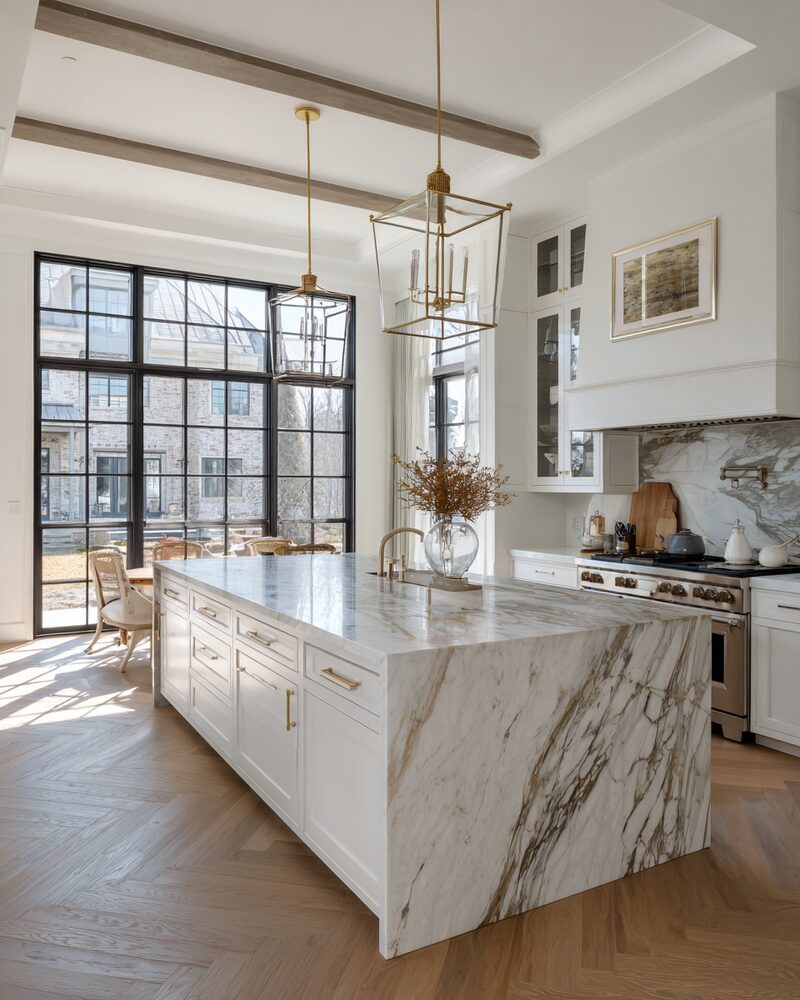
- Update kitchen touchpoints: You do not always need a full remodel. Replacing cabinet hardware, installing energy-efficient stainless appliances, and refreshing countertops can dramatically lift offers without costing a fortune.
- Improve HVAC, roof, and water systems visibility: Buyers prioritize functional systems. If you replace an older furnace, add a warranty, or service the roof and document it, you reduce negotiation friction and preserve value.
- Add reliable internet and smart home basics: High-speed broadband availability or a verified gigabit option, plus smart thermostats and secure doorbells, are expected in many parts of Atlanta and help listings stand out.
- Stage with local lifestyle in mind: Highlight indoor-outdoor living for neighborhoods where patios, porches, and yards are selling points. Staging that reflects Atlanta life — porches, greenery, and community proximity — resonates with buyers.
Pricing and listing strategies that work long term
- Price to the market segment, not emotion: Use recent comparable sales in your micro-market (same block or subdivision when possible). Overpricing slows momentum and invites low offers; well-priced homes draw multiple showings quickly.
- Market with local keywords: Listings that include neighborhood names, proximity to MARTA, walkability scores, school names, and specific local amenities perform better in search. Strong photography and drone shots of neighborhood context help SEO and buyer interest.
- Be transparent with disclosures and maintenance documents: Upload inspection reports, permits, and utility history where possible. Transparency builds trust and reduces time spent in negotiation.
What buyers should prioritize in Atlanta right now
- Block-level research: Two blocks can be different in value. Study sunlight, traffic patterns, tree cover, and actual commute times rather than relying on broad neighborhood labels.
- Condition and future costs: A well-priced house requiring a targeted update can be a better buy than a turnkey home with a premium price and locked-in high taxes or special assessments.
- Long-term adaptability: Look for flexible layouts, usable outdoor space, and garage/storage options. Homes that adapt to remote work, multi-generational living, or rental opportunities retain value.
A practical checklist for sellers and buyers
- Sellers: fresh paint (neutral tones), clear documentation of recent repairs, professional photography, and a pre-listing inspection if possible.
- Buyers: verify school zones, ask about stormwater and flood history, confirm broadband speeds, and request utility cost history and recent maintenance records.
Make the move with local expertise
For tailored guidance on how these strategies apply to your Atlanta property or search, speak with professionals who know the neighborhoods and markets block by block. The Rains Team is available to review comps, recommend the right improvements for your
