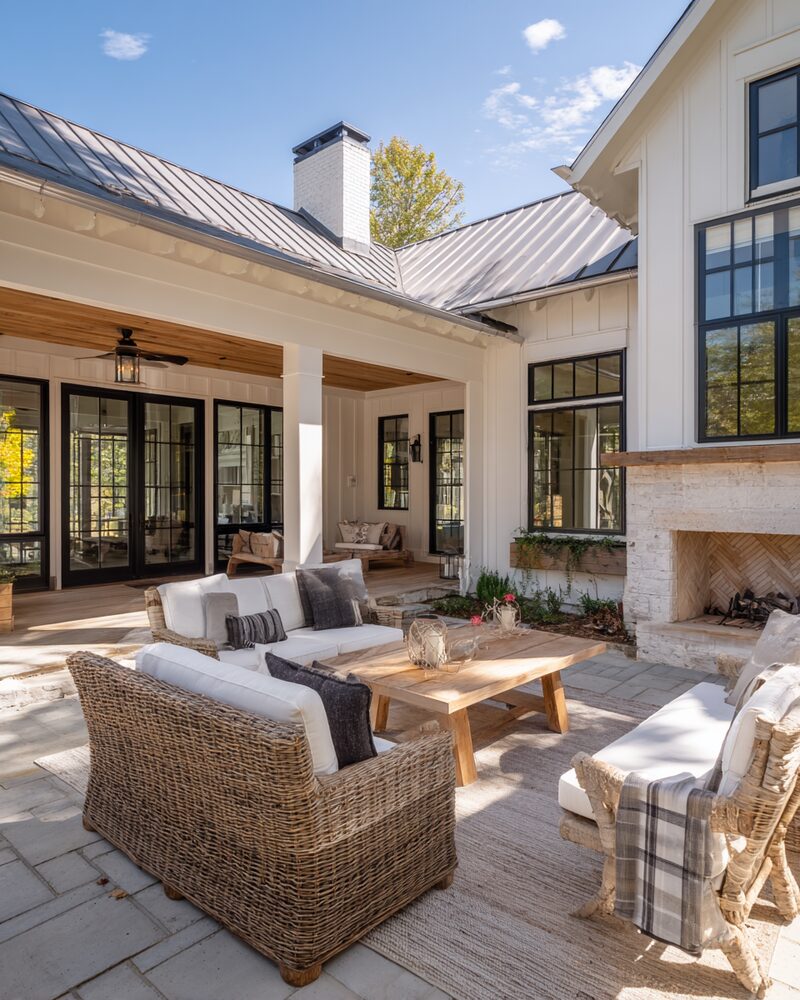
Living in Atlanta means making home decisions with more than square footage and school zones in mind. Microclimates across the metro affect comfort, maintenance costs, insurance, and long term resale value. Whether you are looking to buy or sell in Atlanta, understanding how tree canopy, flood risk, soil type, and urban heat pockets shape property value will help you make smarter choices today that pay off for years.
Atlanta real estate buyers often focus on commute times and neighborhood vibe, but microclimate factors quietly influence monthly costs and market appeal. Sellers who highlight positive climate-related features or mitigate risks can command stronger offers. With severe weather patterns shifting and insurance markets evolving, these local environmental details are now central to solid home decisions.
Tree Canopy and Shade
Tree cover cools homes in summer, reduces energy bills, and enhances curb appeal. Neighborhoods with mature oaks and maples not only feel more livable but often show steadier appreciation because shade reduces cooling costs and improves outdoor living spaces. For buyers, check canopy coverage on site visits and ask sellers about recent removals or city tree permits. For sellers, preserve healthy trees, disclose recent removals, and add low-maintenance native plantings to underscore long term benefits.
Flood Zones Creeks and Drainage
Many Atlanta properties sit near creeks or in areas affected by heavy storms. Floodplain status impacts insurance premiums and lender requirements. Buyers should consult FEMA flood maps, county GIS tools, and request seller disclosures about past flooding, drainage easements, and any elevation certificates. Sellers can reduce buyer friction by addressing obvious drainage problems, installing gutter and downspout extensions, and documenting any flood mitigation work.
Soil Type and Foundation Risk
Clay soils are common in parts of metro Atlanta and can lead to foundation movement over time. Buyers should factor in age of foundation, visible cracking, and previous foundation repairs. A seller who provides recent structural inspection reports or warranties for foundation work will remove uncertainty and often earn higher offers. Consider proactive grading and gutter maintenance to keep soil moisture consistent around foundations.
Urban Heat Islands and Energy Efficiency
Denser neighborhoods with less vegetation experience higher summer temperatures. Buyers in these areas should prioritize homes with efficient HVAC systems, good insulation, and modern windows. Sellers can increase buyer interest by investing in attic insulation, programmable thermostats, and documented HVAC service history. Highlighting lower energy bills in listings attracts savvy buyers who care about monthly operating costs.
Noise Air Quality
